
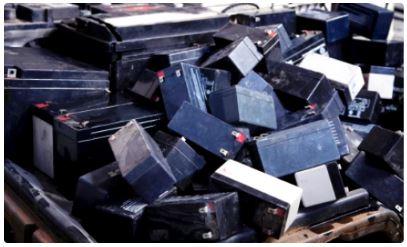
Battery Recycling Clean Process
Electronics battery recycling is extremely important for environmental protection, resource recovery, and safety. Batteries used in electronics (lithium-ion, nickel-cadmium, lead-acid, etc.) contain valuable materials but also hazardous chemicals, making proper recycling essential.
1. Environmental Protection 🌎
Discarded batteries can leak toxic substances such as lead, cadmium, lithium, and mercury into soil and water. When batteries end up in landfills:
-
Chemicals can contaminate groundwater and ecosystems
-
Toxic metals can harm wildlife and human health
-
Fires may occur when lithium batteries are damaged or crushed
Recycling prevents these materials from polluting the environment.
2. Recovery of Valuable Materials 🔋
Batteries contain high-value metals that can be reused:
-
Lithium
-
Cobalt
-
Nickel
-
Copper
-
Aluminum
Recycling allows these materials to be recovered and reused in new batteries and electronics, reducing the need for mining and lowering production costs.
3. Fire and Safety Risk Reduction 🔥
Improperly discarded batteries—especially lithium-ion batteries—can cause fires in:
-
Garbage trucks
-
Recycling facilities
-
Landfills
Battery recycling programs ensure they are safely collected, discharged, and processed to reduce these risks.
4. Supports the Circular Economy ♻️
Recycling batteries helps create a closed-loop system where materials are reused instead of discarded. Benefits include:
-
Reduced raw material extraction
-
Lower carbon footprint
-
Sustainable electronics production
5. Regulatory Compliance
Many regions have strict environmental regulations requiring proper battery disposal and recycling. Businesses that handle electronics must comply with regulations to avoid fines and environmental liability.